Lorem ipsum dolor sit amet, consectetur adipisicing elit. Eum in eos saepe ipsa cupiditate accusantium voluptatibus quidem nam, reprehenderit, et necessitatibus adipisci.
The education should be very interactual. Ut tincidunt est ac dolor aliquam sodales. Phasellus sed mauris hendrerit, laoreet sem in, lobortis mauris hendrerit ante.
Examples Of Personal Portfolio
University of DVI (1997 - 2001))
4.30/5
Contrary to popular belief. Ut tincidunt est ac dolor aliquam sodales. Phasellus sed mauris hendrerit, laoreet sem in, lobortis mauris hendrerit ante.
Tips For Personal Portfolio
University of DVI (1997 - 2001))
4.30/5
Generate Lorem Ipsum which looks. Ut tincidunt est ac dolor aliquam sodales. Phasellus sed mauris hendrerit, laoreet sem in, lobortis mauris hendrerit ante.
2007 - 2010
Education Quality
Diploma in Web Development
BSE In CSE (2004 - 2008)
4.70/5
Contrary to popular belief. Ut tincidunt est ac dolor aliquam sodales. Phasellus sed mauris hendrerit, laoreet sem in, lobortis mauris hendrerit ante.
The Personal Portfolio Mystery
Job at Rainbow-Themes (2008 - 2016)
4.95/5
Generate Lorem Ipsum which looks. Ut tincidunt est ac dolor aliquam sodales. Phasellus sed mauris hendrerit, laoreet sem in, lobortis mauris hendrerit ante.
Tips For Personal Portfolio
University of DVI (1997 - 2001))
4.30/5
Maecenas finibus nec sem ut imperdiet. Ut tincidunt est ac dolor aliquam sodales. Phasellus sed mauris hendrerit, laoreet sem in, lobortis mauris hendrerit ante.
Lorem ipsum dolor sit amet, consectetur adipiscing elit, sed do eiusmod tempor incididunt ut labore et dolore magna aliqua. Quis ipsum suspendisse ultrices gravida. Risus commod viverra maecenas accumsan lacus vel facilisis. ut labore et dolore magna aliqua.
However, if you can precisely spot such toxic stocks, you may gain by resorting to an investing strategy called short selling. This strategy allows one to sell a stock first and then buy it when the price falls.
While short selling excels in bear markets, it typically loses money in bull markets.
So, just like identifying stocks with growth potential, pinpointing toxic stocks and offloading them at the right time is crucial to guard one’s portfolio from big losses or make profits by short selling them. Heska Corporation HSKA, Tandem Diabetes Care, Inc. TNDM, Credit Suisse Group CS,Zalando SE ZLNDY and Las Vegas Sands LVS are a few such toxic stocks.Screening Criteria
Close op portrait of confident woman with red lips
Through a wide variety of mobile applications, we’ve developed a unique visual system and strategy that can be applied across the spectrum of available applications.
Lorem ipsum dolor sit amet, consectetur adipiscing elit, sed do eiusmod tempor incididunt ut labore et dolore magna aliqua. Quis ipsum suspendisse ultrices gravida. Risus commod viverra maecenas accumsan lacus vel facilisis. ut labore et dolore magna aliqua.
There are always some stocks, which illusively scale lofty heights in a given time period. However, the good show doesn’t last for these overblown toxic stocks as their current price is not justified by their fundamental strength.
Toxic companies are usually characterized by huge debt loads and are vulnerable to external shocks. Accurately identifying such bloated stocks and getting rid of them at the right time can protect your portfolio.
Overpricing of these toxic stocks can be attributed to either an irrational enthusiasm surrounding them or some serious fundamental drawbacks. If you own such bubble stocks for an inordinate period of time, you are bound to see a massive erosion of wealth.
However, if you can precisely spot such toxic stocks, you may gain by resorting to an investing strategy called short selling. This strategy allows one to sell a stock first and then buy it when the price falls.
While short selling excels in bear markets, it typically loses money in bull markets.
So, just like identifying stocks with growth potential, pinpointing toxic stocks and offloading them at the right time is crucial to guard one’s portfolio from big losses or make profits by short selling them. Heska Corporation HSKA, Tandem Diabetes Care, Inc. TNDM, Credit Suisse Group CS,Zalando SE ZLNDY and Las Vegas Sands LVS are a few such toxic stocks.Screening Criteria
Through a wide variety of mobile applications, we’ve developed a unique visual system and strategy that can be applied across the spectrum of available applications.
So, just like identifying stocks with growth potential, pinpointing toxic stocks and offloading them at the right time is crucial to guard one’s portfolio from big losses or make profits by short selling them.
Heska Corporation HSKA, Tandem Diabetes Care, Inc. TNDM, Credit Suisse Group CS,Zalando SE ZLNDY and Las Vegas Sands LVS are a few such toxic stocks.Screening Criteria
Through a wide variety of mobile applications, we’ve developed a unique visual system and strategy that can be applied across the spectrum of available applications.
Lorem ipsum dolor sit amet, consectetur adipiscing elit, sed do eiusmod tempor incididunt ut labore et dolore magna aliqua. Quis ipsum suspendisse ultrices gravida. Risus commod viverra maecenas accumsan lacus vel facilisis. ut labore et dolore magna aliqua.
There are always some stocks, which illusively scale lofty heights in a given time period. However, the good show doesn’t last for these overblown toxic stocks as their current price is not justified by their fundamental strength.
Toxic companies are usually characterized by huge debt loads and are vulnerable to external shocks. Accurately identifying such bloated stocks and getting rid of them at the right time can protect your portfolio.
Overpricing of these toxic stocks can be attributed to either an irrational enthusiasm surrounding them or some serious fundamental drawbacks. If you own such bubble stocks for an inordinate period of time, you are bound to see a massive erosion of wealth.
However, if you can precisely spot such toxic stocks, you may gain by resorting to an investing strategy called short selling. This strategy allows one to sell a stock first and then buy it when the price falls.
While short selling excels in bear markets, it typically loses money in bull markets.
So, just like identifying stocks with growth potential, pinpointing toxic stocks and offloading them at the right time is crucial to guard one’s portfolio from big losses or make profits by short selling them. Heska Corporation HSKA, Tandem Diabetes Care, Inc. TNDM, Credit Suisse Group CS,Zalando SE ZLNDY and Las Vegas Sands LVS are a few such toxic stocks.Screening Criteria
Through a wide variety of mobile applications, we’ve developed a unique visual system and strategy that can be applied across the spectrum of available applications.
Lorem ipsum dolor sit amet, consectetur adipiscing elit, sed do eiusmod tempor incididunt ut labore et dolore magna aliqua. Quis ipsum suspendisse ultrices gravida. Risus commod viverra maecenas accumsan lacus vel facilisis. ut labore et dolore magna aliqua.
There are always some stocks, which illusively scale lofty heights in a given time period. However, the good show doesn’t last for these overblown toxic stocks as their current price is not justified by their fundamental strength.
Toxic companies are usually characterized by huge debt loads and are vulnerable to external shocks. Accurately identifying such bloated stocks and getting rid of them at the right time can protect your portfolio.
Overpricing of these toxic stocks can be attributed to either an irrational enthusiasm surrounding them or some serious fundamental drawbacks. If you own such bubble stocks for an inordinate period of time, you are bound to see a massive erosion of wealth.
However, if you can precisely spot such toxic stocks, you may gain by resorting to an investing strategy called short selling. This strategy allows one to sell a stock first and then buy it when the price falls.
While short selling excels in bear markets, it typically loses money in bull markets.
So, just like identifying stocks with growth potential, pinpointing toxic stocks and offloading them at the right time is crucial to guard one’s portfolio from big losses or make profits by short selling them. Heska Corporation HSKA, Tandem Diabetes Care, Inc. TNDM, Credit Suisse Group CS,Zalando SE ZLNDY and Las Vegas Sands LVS are a few such toxic stocks.Screening Criteria
Through a wide variety of mobile applications, we’ve developed a unique visual system and strategy that can be applied across the spectrum of available applications.
Lorem ipsum dolor sit amet, consectetur adipiscing elit, sed do eiusmod tempor incididunt ut labore et dolore magna aliqua. Quis ipsum suspendisse ultrices gravida. Risus commod viverra maecenas accumsan lacus vel facilisis. ut labore et dolore magna aliqua.
There are always some stocks, which illusively scale lofty heights in a given time period. However, the good show doesn’t last for these overblown toxic stocks as their current price is not justified by their fundamental strength.
Toxic companies are usually characterized by huge debt loads and are vulnerable to external shocks. Accurately identifying such bloated stocks and getting rid of them at the right time can protect your portfolio.
Overpricing of these toxic stocks can be attributed to either an irrational enthusiasm surrounding them or some serious fundamental drawbacks. If you own such bubble stocks for an inordinate period of time, you are bound to see a massive erosion of wealth.
However, if you can precisely spot such toxic stocks, you may gain by resorting to an investing strategy called short selling. This strategy allows one to sell a stock first and then buy it when the price falls.
While short selling excels in bear markets, it typically loses money in bull markets.
So, just like identifying stocks with growth potential, pinpointing toxic stocks and offloading them at the right time is crucial to guard one’s portfolio from big losses or make profits by short selling them. Heska Corporation HSKA, Tandem Diabetes Care, Inc. TNDM, Credit Suisse Group CS,Zalando SE ZLNDY and Las Vegas Sands LVS are a few such toxic stocks.Screening Criteria
MICROSOFT AZURE ADMINISTRATOR @ prince sultan university
prince sultan university 2
This course teaches IT Professionals how to manage their Azure subscriptions, secure identities, administer the infrastructure, configure virtual networking, connect Azure and on-premises sites, manage network traffic, implement storage solutions, create and scale virtual machines, implement web apps and containers, back up and share data, and monitor your solution.
Module 1: Identity
In this module, you will learn how to secure identities with Azure Active Directory, and implement users and groups.
Azure Active Directory
Users and Groups
Lab : Manage Azure Active Directory Identities
After completing this module, students will be able to:
Secure and manage identities with Azure Active Directory.
Implement and manage users and groups.
Module 2: Governance and Compliance
In this module, you will learn about managing your subscriptions and accounts, implementing Azure policies, and using Role-Based Access Control.
Subscriptions and Accounts
Azure Policy
Role-based Access Control (RBAC)
Lab : Manage Subscriptions and RBAC
Lab : Manage Governance via Azure Policy
After completing this module, students will be able to:
Implement and manage Azure subscriptions and accounts.
Implement Azure Policy, including custom policies.
Use RBAC to assign permissions.
Module 3: Azure Administration
In this module, you will learn about the tools an Azure Administrator uses to manage their infrastructure. This includes the Azure Portal, Cloud Shell, Azure PowerShell, CLI, and Resource Manager Templates. This module includes:
Azure Resource Manager
Azure Portal and Cloud Shell
Azure PowerShell and CLI
ARM Templates
Lab : Manage Azure resources by Using the Azure Portal
Lab : Manage Azure resources by Using ARM Templates
Lab : Manage Azure resources by Using Azure PowerShell
Lab : Manage Azure resources by Using Azure CLI
After completing this module, students will be able to:
Leverage Azure Resource Manager to organize resources.
Use the Azure Portal and Cloud Shell.
Use Azure PowerShell and CLI.
Use ARM Templates to deploy resources.
Module 4: Virtual Networking
In this module, you will learn about basic virtual networking concepts like virtual networks and subnetting, IP addressing, network security groups, Azure Firewall, and Azure DNS,
Virtual Networks
IP Addressing
Network Security groups
Azure Firewall
Azure DNS
Lab : Implement Virtual Networking
After completing this module, students will be able to:
Implement virtual networks and subnets.
Configure public and private IP addressing.
Configure network security groups.
Configure Azure Firewall.
Configure private and public DNS zones.
Module 5: Intersite Connectivity
In this module, you will learn about intersite connectivity features including VNet Peering, Virtual Network Gateways, and Site-to-Site Connections.
VNet Peering
VPN Gateway Connections
ExpressRoute and Virtual WAN
Lab : Implement Intersite Connectivity
After completing this module, students will be able to:
Configure VNet Peering.
Configure VPN gateways.
Choose the appropriate intersite connectivity solution.
Module 6: Network Traffic Management
In this module, you will learn about network traffic strategies including network routing and service endpoints, Azure Load Balancer, Azure Application Gateway, and Traffic Manager.
Network Routing and Endpoints
Azure Load Balancer
Azure Application Gateway
Traffic Manager
Lab : Implement Traffic Management
After completing this module, students will be able to:
Configure network routing including custom routes and service endpoints.
Configure an Azure Load Balancer.
Configure and Azure Application Gateway.
Choose the appropriate network traffic solution.
Module 7: Azure Storage
In this module, you will learn about basic storage features including storage accounts, blob storage, Azure files and File Sync, storage security, and storage tools.
Storage Accounts
Blob Storage
Storage Security
Azure Files and File Sync
Managing Storage
Lab : Manage Azure storage
After completing this module, students will be able to:
Create Azure storage accounts.
Configure blob containers.
Secure Azure storage.
Configure Azure files shares and file sync.
Manage storage with tools such as Storage Explorer.
Module 8: Azure Virtual Machines
In this module, you will learn about Azure virtual machines including planning, creating, availability and extensions.
Virtual Machine Planning
Creating Virtual Machines
Virtual Machine Availability
Virtual Machine Extensions
Lab : Manage virtual machines
After completing this module, students will be able to:
Plan for virtual machine implementations.
Create virtual machines.
Configure virtual machine availability, including scale sets.
Use virtual machine extensions.
Module 9: Serverless Computing
In this module, you will learn administer serverless computing features like Azure App Service, Azure Container Instances, and Kubernetes.
Azure App Service Plans
Azure App Service
Container Services
Azure Kubernetes Service
Lab : Implement Web Apps
Lab : Implement Azure Container Instances
Lab : Implement Azure Kubernetes Service
After completing this module, students will be able to:
Create an app service plan.
Create a web app.
Implement Azure Container Instances.
Implement Azure Kubernetes Service.
Module 10: Data Protection
In this module, you will learn about backing up files and folders, and virtual machine backups.
File and Folder Backups
Virtual Machine Backups
Lab : Implement Data Protection
After completing this module, students will be able to:
Backup and restore file and folders.
Backup and restore virtual machines.
Module 11: Monitoring
In this module, you will learn about monitoring your Azure infrastructure including Azure Monitor, alerting, and log analytics.
Azure Monitor
Azure Alerts
Log Analytics
Network Watcher
Lab : Implement Monitoring
After completing this module, students will be able to:
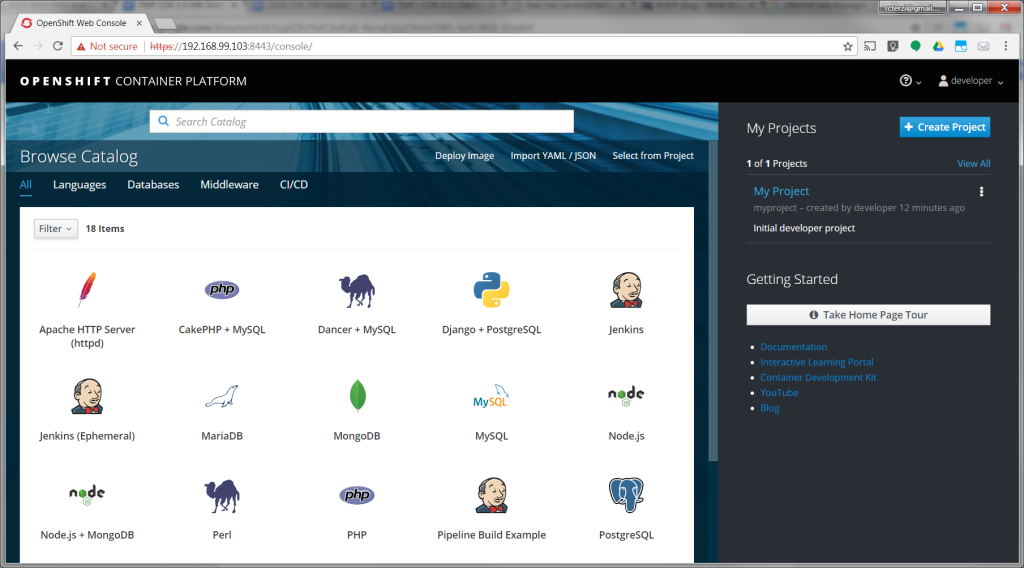
CDK 3: Build your first application using the OpenShift Console
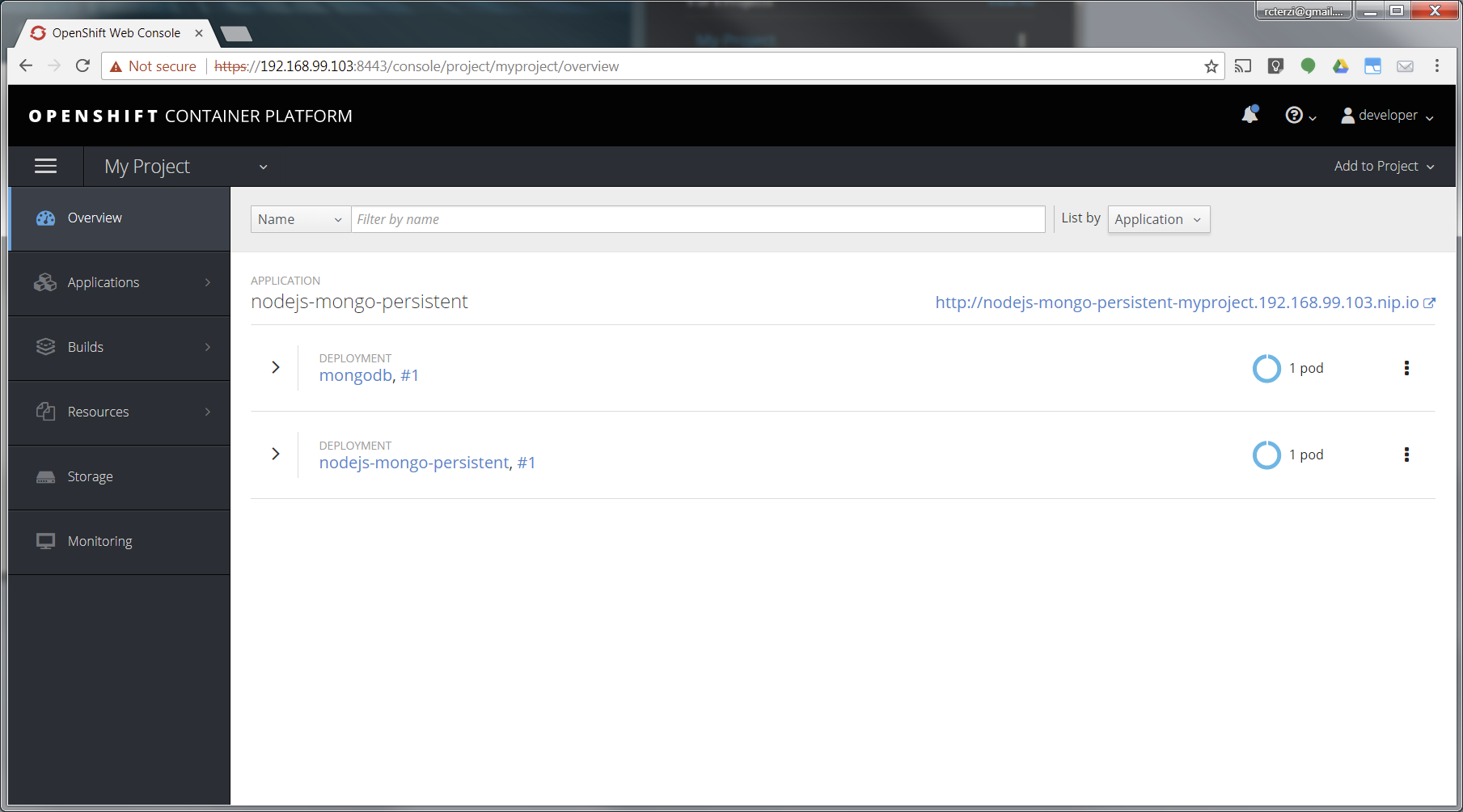
The following steps will guide you through creating your first project on Red Hat OpenShift Container Platform, which is running inside the Red Hat Container Development Kit on the minishift virtual machine. The project is a Node.js “Hello, World” application that displays the current hit count. A MongoDB database is used to store the hit count. Two pods will be created, one for the Node.js application and another for the database.
The source code for the project is available on GitHub: openshift/nodejs-ex. The OpenShift catalog in CDK has a number of project templates available including this sample Node.js application. For this guide, we will use the template from the OpenShift catalog. You will use the OpenShift web console to build and manage your application.
Note: This guide uses the OpenShift web console to build and manage your application. Alternatively you could use the oc CLI to accomplish the same steps. The following command would create the application pulling the source from GitHub:$ oc new-app https://github.com/openshift/nodejs-ex
Once the VM is up and running, launch the web console in the browser:$ minishift console
Note: The web console may not launch on some older versions of Safari. You can get the URL to use with a different browser using the following command:$ minishift console –url
Log into the OpenShift console with developer as the username and any text for the password. A default empty project called My Project has been created for you. Alternatively, you can use the create project button to create a new empty project at any time.
Create the application
Follow these steps to create, build, and deploy the application:
After logging in you will see a page with the OpenShift catalog of application templates that have been preloaded into CDK.
Click on the icon labeled Node.js + MongoDB. Then, click Next to view the project configuration information.
None of the defaults need to be changed, so click Create to create the application. This will create the application and kick off a build. Click Close to dismiss the create dialog box.
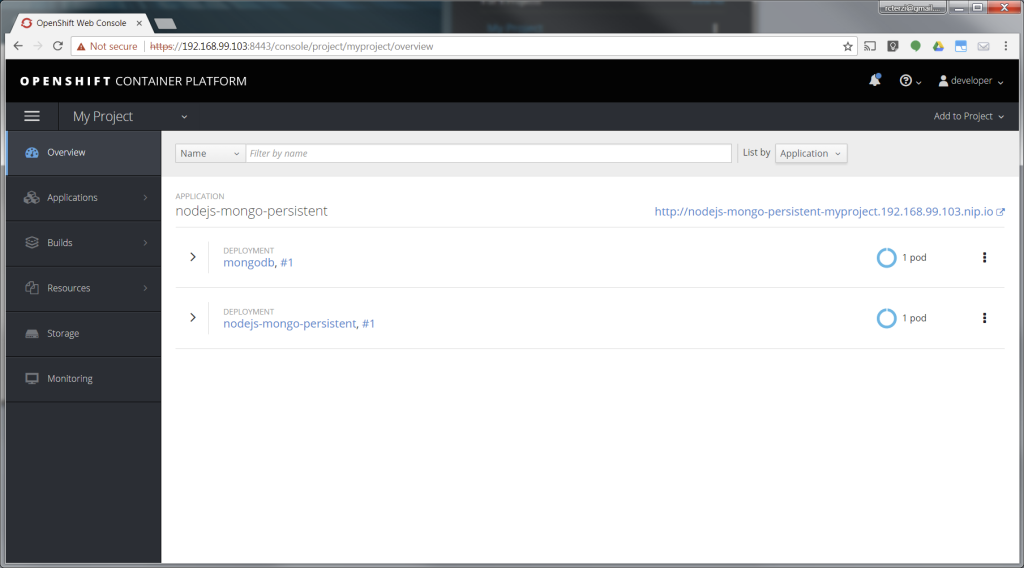
Go to your project overview page by clicking My Project from the list of projects on the right.
The application will be automatically built and deployed. You might need to wait for the build to finish.
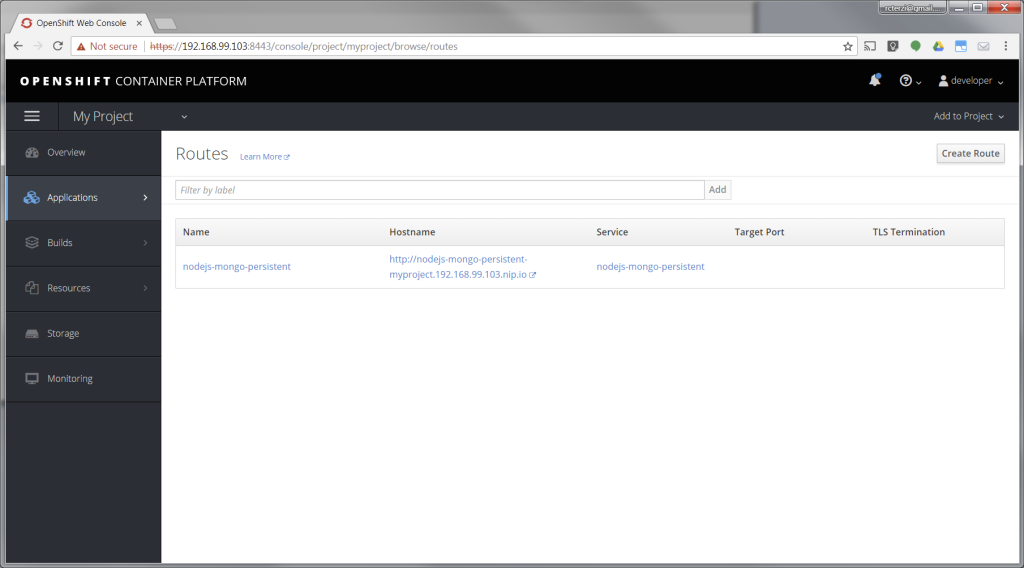
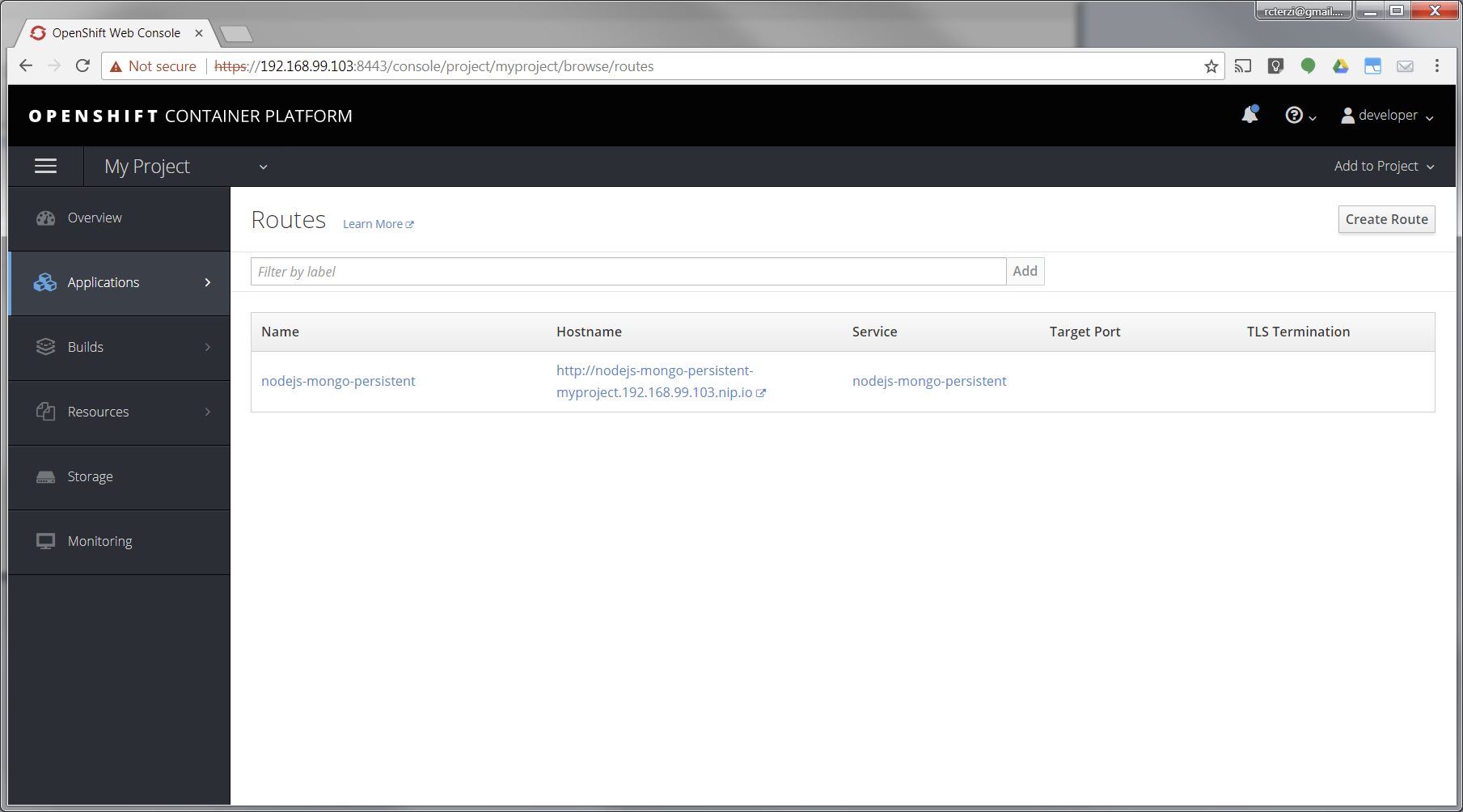
When the application is finished building and deploying you should see two running pods. Select Applications from the menu on the left. Then select Routes.
The application template created a route to allow HTTP traffic to the Node.js application pod running inside the OpenShift cluster. Click on the URL in the Hostname column to view your application.
At this point, you’ve successfully built and deployed a Node.js and MongoDB application in containers running on OpenShift on your personal OpenShift cluster. Explore the menus to see the components that were created, view logs, and explore OpenShift.
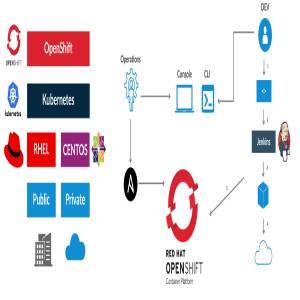
Redhat full path tranining for Royal Saudi Air Defense Forces(الدفاع الجوي الملكي السعودي)
2023
There are many variations of passages of Lorem Ipsum available, but the majority have suffered alteration in some form, by injected humour, or randomised words which don’t look even slightly believable. If you are going to use a passage of Lorem Ipsum. You need to be sure there isn’t anything embarrassing hidden in the middle of text. All the Lorem Ipsum generators on the Internet tend toitrrepeat predefined chunks.
Course description
The first of two courses covering the core system administration tasks needed to manage Red Hat Enterprise Linux servers
Red Hat System Administration I (RH124) is designed for IT professionals without previous Linux system administration experience. The course provides students with Linux administration competence by focusing on core administration tasks. This course also provides a foundation for students who plan to become full-time Linux system administrators by introducing key command-line concepts and enterprise-level tools.
This course is the first of a two-course series that takes a computer professional without Linux system administration knowledge to become a fully capable Linux administrator. These concepts are further developed in the follow-on course, Red Hat System Administration II (RH134).
This course is based on Red Hat® Enterprise Linux 9.0.
Following course completion, you will receive a 45-day extended access to hands-on labs for any course that includes a virtual environment.Note: This course is offered as a five day in person class, a five day virtual class or is self-paced. Durations may vary based on the delivery. For full course details, scheduling, and pricing, select your location then “get started” on the right hand menu.
Course content summary
Introduce Linux and the Red Hat Enterprise Linux ecosystem.
Run commands and view shell environments.
Manage, organize, and secure files.
Manage users, groups and user security policies.
Control and monitor systemd services.
Configure remote access using the web console and SSH.
Configure network interfaces and settings.
Manage software using DNF
Audience for this course
The primary persona is a technical professional with current or pending responsibilities as a Linux enterprise or cloud system administrator.
This course is popular in Red Hat Academy, and is targeted at the student who is planning to become a technical professional using Linux.
Technology considerations
There are no special technical requirements for this course.
This course is not designed for bring your own device (BYOD).
Internet access is not required but is recommended so that students can research and browse Red Hat online resources.
Outline for this course Get started with Red Hat Enterprise Linux Describe and define open source, Linux, Linux distributions, and Red Hat Enterprise Linux Access the command line Log into a Linux system and run simple commands using the shell. Manage files from the command line Copy, move, create, delete, and organize files while working from the bash shell. Get help in Red Hat Enterprise Linux Resolve problems by using local help systems. Create, view, and edit text files Manage text files from command output or in a text editor. Manage local users and groups Create, manage, and delete local users and groups, as well as administer local password policies. Control access to files Set Linux file system permissions on files and interpret the security effects of different permission settings. Monitor and manage Linux processes Evaluate and control processes running on a Red Hat Enterprise Linux system. Control services and daemons Control and monitor network services and system daemons with the systemd service. Configure and secure SSH Configure secure command line service on remote systems, using OpenSSH. Analyze and store logs Locate and accurately interpret logs of system events for troubleshooting purposes. Manage networking Configure network interfaces and settings on Red Hat Enterprise Linux servers. Install and update software packages Download, install, update, and manage software packages from Red Hat and DNF package repositories. Access Linux files systems Access, inspect, and use existing file systems on storage attached to a Linux server. Analyze servers and get support Investigate and resolve issues in the web-based management interface, getting support from Red Hat to help solve problems. Comprehensive review Review the content covered in this course by completing hands-on exercises.
Cisco ACI is an enterprise-class, software-defined networking (SDN) solution that provides complete control of the data center network. Using a policy-based approach, Cisco ACI delivers security, performance, and scalability for today’s demanding applications.
Cisco ACI is part of the broader Cisco SDN portfolio, which also includes Nexus switches and Application Centric Infrastructure (ACI) controllers. If you are looking for a way to improve your data center network, Cisco ACI may be the answer. In this article, you can find out more about Cisco ACI, including how it works, its benefits, and what it is used for.
What Is Cisco ACI?
Cisco ACI is a software-defined networking (SDN) technology offering from Cisco that allows for centralized application policy enforcement across a data center network. It is designed to simplify and automate the creation, management, and enforcement of network security policies.
ACI provides uniform policy definition and application across physical and virtual resources, as well as bare-metal server deployments. This can be done through an easy-to-use graphical user interface or programmatically through APIs. The latter option makes it possible to integrate ACI into your existing DevOps processes.
With Cisco ACI, you can apply consistent security policies across your data center regardless of the underlying infrastructure. The result is increased agility and reduced operational costs. In addition, ACI provides built-in micro-segmentation capabilities that can help you improve your data center security posture.
Cisco ACI is based on the concept of an application profile. An application profile defines the set of network and security policies that should be applied to a particular application or workload. Application profiles are created using the Cisco Application Policy Infrastructure Controller (APIC).
The APIC is a centralized management system that gives you visibility into and control over the network resources in your data center. It also provides policy enforcement and orchestration capabilities. The APIC communicates with the network devices in your data center through an out-of-band management network.
Cisco ACI uses a leaf-spine architecture. The leaf nodes are Top-of-Rack (ToR) switches that connect to server endpoints. The spine nodes are core switches that connect the leaf nodes to each other.
Cisco ACI supports both physical and virtualized leaf nodes. Physical leaves can be either Cisco Nexus 9000 Series Switches or Cisco ASA 1000V Cloud Firewalls. Virtualized leaves are provided by the Cisco Avi Vantage platform.
What Is an SDN?
SDN stands for software-defined networking. It’s a network architecture that uses programmable interfaces to enable more flexible and dynamic network control.
In traditional networks, the control plane is physically separate from the data plane. This means that the traffic flow is dictated by the hardware, which can be inflexible and difficult to change. In an SDN, the control plane is implemented in software, giving it more flexibility.
This separation of duties can make it easier to manage complex networks, because you can change the configuration of the network without having to physically reconfigure the devices. It also makes it possible to dynamically adjust traffic flow according to changing needs.
SDN controllers use protocols like OpenFlow to communicate with devices in the network. Using these protocols allows SDN to centrally control the flow of traffic, making it possible to implement policies that can optimize performance or reduce costs.
SDN is still a relatively new technology, and there are a number of different approaches to implementing it. But the basic idea is to use software to make networks more flexible and easier to manage.
How Does ACI Work?
In the most basic sense, ACI (Application Centric Infrastructure) is a data center network architecture that enables applications to be deployed and managed in a more flexible and efficient manner. ACI provides a single point of control for both physical and virtual networks, allowing for greater transparency and easier management of complex application environments.
ACI is designed to increase agility and efficiency in the data center by automating many of the tasks that have traditionally been manual or error-prone. For example, ACI can automatically provision new applications on the infrastructure, identify and correct errors in application configurations, and dynamically adapt network resources to changing application needs. By simplifying these tasks, ACI can help reduce deployment times and improve overall efficiency in the data center.
In addition to increasing agility and efficiency, ACI also provides improved security and compliance capabilities. ACI includes features such as built-in firewalls and intrusion detection/prevention systems, which can help protect data center assets from malicious attacks. ACI also provides granular visibility into application traffic, allowing administrators to quickly identify and respond to potential security threats.
Overall, ACI is a data center network architecture that enables applications to be deployed and managed in a more flexible and efficient manner. ACI can help improve agility, efficiency, security, and compliance in the data center.
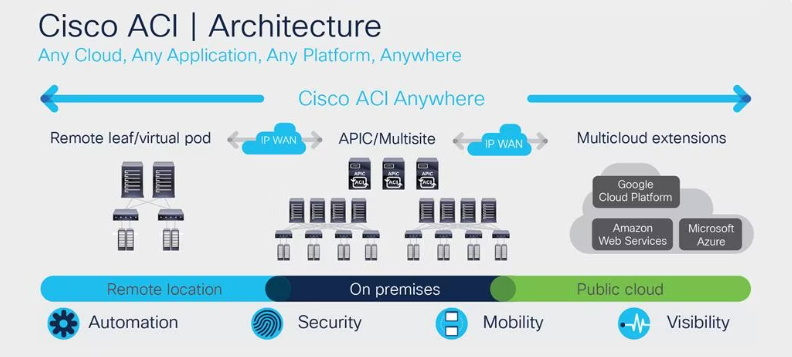
Cisco ACI Architecture
Cisco ACI is an application-centric infrastructure that enables you to build your data center network around the needs of your applications. ACI uses a centralized policy model to automate and simplify network configuration, deployment, and management. This architecture decouples the network control plane from the data forwarding plane, allowing for greater flexibility, scalability, and manageability.
ACI consists of three key components: the Application Policy Infrastructure Controller (APIC), the leaf switches, and the spine switches. The APIC is a centralized controller that manages all aspects of the ACI fabric. The leaf switches are ToR switches that provide connectivity between servers and external networks. The spine switches are aggregate Layer 3 switches that provide high-bandwidth connectivity between leaf switches.
The APIC provides a single point of control and management for the entire ACI fabric. It uses an open, standards-based application programming interface (API) to expose the ACI policy model to external applications and orchestration tools. The APIC also provides an intuitive web-based user interface (UI) for manual configuration and monitoring of the ACI fabric.
The leaf switches are ToR switches that provide connectivity between servers and external networks. Leaf switches are fully programmable and support all Layer 2 and Layer 3 protocols. In addition, leaf switches also support quality of service (QoS), security features, and virtualization capabilities.
The spine switches are aggregate Layer 3 switches that provide high-bandwidth connectivity between leaf switches. Spine switches are also fully programmable and support all Layer 2 and Layer 3 protocols.
Why Is Cisco ACI Important? Cisco ACI Benefits
Cisco ACI is a software-defined networking (SDN) technology that enables virtualization of the network infrastructure. Cisco ACI offers a number of benefits, including improved agility, reduced complexity, and enhanced security.
Improved agility: Cisco ACI enables rapid provisioning of new applications and services by automating the creation and enforcement of network policies. This reduces the need for manual configuration of network devices and speeds up the process of adding new services and applications.
Reduced complexity: Cisco ACI simplifies network management by consolidating multiple disparate networks into a single logical network. This reduces the number of devices that need to be managed and monitored, and makes it easier to troubleshoot problems. In addition, Cisco ACI provides a central point of control for managing the network, which reduces the need for costly and error-prone manual configuration.
Enhanced security: Cisco ACI includes built-in security features that help protect the network from attack. These features include role-based access control, which limits users to only those resources they are authorized to access, and intrusion detection and prevention, which can detect and block malicious traffic. In addition, Cisco ACI uses encryption to protect data in transit, ensuring that only authorized users can view or modify it.
Increased efficiency: Cisco ACI automates many common network management tasks, such as provisioning new devices, configuring port settings, and applying security policies. This reduces the need for manual intervention, saving time and money. In addition, Cisco ACI optimizes network utilization by automatically distributing traffic across multiple paths, ensuring that resources are used efficiently.
Greater scalability: Cisco ACI scales linearly, meaning that it can support a large number of devices and users without sacrificing performance. This makes it ideal for enterprise-wide deployments.
Cisco ACI provides numerous benefits that can help organizations improve their agility, reduce complexity, and enhance security. When considering an SDN solution, Cisco ACI should be high on the list of choices.
What Is Cisco ACI Used For?
Cisco ACI enables network administrators to centrally manage and orchestrate network resources through a graphical user interface (GUI). Cisco ACI can be used for a variety of purposes, including the following:
Infrastructure as a Service (IaaS): Cisco ACI can be used to provision and manage virtual machines (VMs), storage, and networking resources in an IaaS environment. This allows organizations to quickly provision and scale their IT infrastructure without having to purchase or deploy physical hardware.
Software-defined networking (SDN): Cisco ACI can be used to centrally manage and orchestrate network resources via a graphical user interface (GUI). This allows network administrators to easily provision and configure networking services, such as load balancing and traffic shaping.
Network security: Cisco ACI provides several features that can improve the security of your network, including role-based access control, application visibility and control, and encrypted data communications.
Cloud integration: Cisco ACI includes native support for popular cloud providers, such as Amazon Web Services (AWS), Microsoft Azure, and Google Cloud Platform (GCP). Organizations can then easily integrate their on-premises infrastructure with public cloud services.
How Cisco ACI Integrates With Other Products
Cisco ACI integrates with other products using a variety of methods to provide customers with the ability to create a best-of-breed solution.
The first method is through open APIs. Open APIs allow Cisco ACI to work with a wide range of software and hardware solutions from multiple vendors. This method gives customers the flexibility to choose the products that best meet their needs while still taking advantage of Cisco ACI’s industry-leading features and performance.
The second method is through jointly certified solutions. These are solutions that have been tested and certified by both Cisco and the partner company to work together seamlessly. This method gives customers peace of mind knowing that the products they are using have been designed to work together optimally.
The third method is through service chaining. Service chaining allows Cisco ACI to connect multiple services together in a predefined order. It thus becomes easy to create complex solutions that would otherwise be difficult to implement.
Cisco ACI provides customers with the ability to create a best-of-breed solution by integrating with other products using open APIs, jointly certified solutions, and service chaining. This advantage gives customers the flexibility to choose the products that best meet their needs while still taking advantage of Cisco ACI’s industry-leading features and performance.
With the release of Cisco ACI, the company is looking to solidify its position as a market leader in data center networking. While SDN has been around for a few years now, ACI represents a more holistic and comprehensive approach to SDN that takes into account all aspects of networking. So, ACI is an important tool for companies looking to move to the cloud or build out their data center infrastructure. If you’re curious about how Cisco ACI can benefit your business, reach out and we’ll be happy to discuss it with you.
Red Hat Enterprise Linux (RHEL) 9.3 is a major release of the enterprise Linux operating system from Red Hat, which was released on November 8, 2023 and comes with a number of new features and enhancements.
RHEL 9.3 is a third release in the Red Hat family since the acquisition of Red Hat by IBM in July 2019, and the third major version since the deprecation of the CentOS Project in favor of CentOS Stream which is now the upstream of RHEL.
RHEL 9.3 is the latest major version of RHEL and comes with Kernel 5.14 and a host of new software packages and tons of enhancements. It places an emphasis on security, stability, flexibility, and reliability.
Key Highlights of RHEL 9.3 At a glance, here are the major highlights of RHEL 9.3.
New Software Versions RHEL 9.3 ships with new versions of software including Python 3.11. Node.JS 18, GCC 12, Perl 5.36, Ruby 3.1, PHP 8.2, and many more.
How to Download RHEL 9.3 for Free
The Red Hat Developer Subscription is a no-cost offering of the Red Hat Developer program that is tailored for individual developers who want to reap the full benefits of Red Hat Enterprise Linux.
It gives developers access to all versions of Red Hat Enterprise Linux among other Red Hat products such as add-ons, software updates, and security errata.
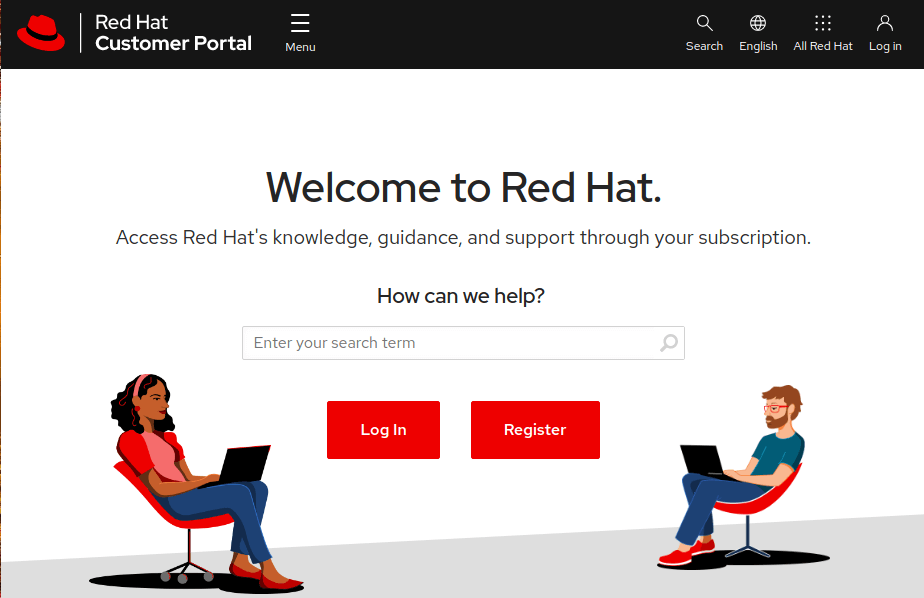
Before anything else, make sure that you have an active Red Hat account. If you don’t have an account yet, navigate to the Red Hat Customer Portal and click on the ‘Register’ button and fill in your details to create a Red Hat account.
Create RedHat Account
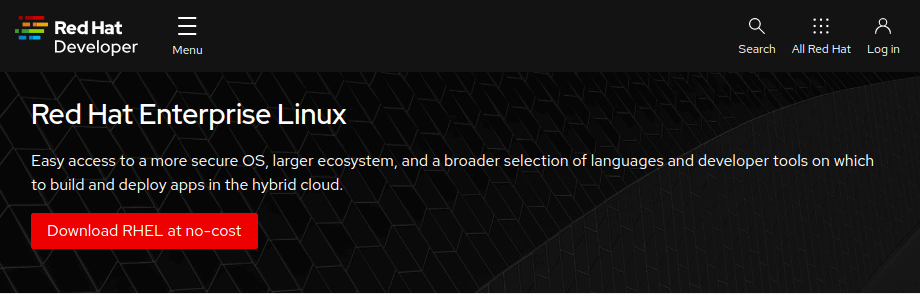
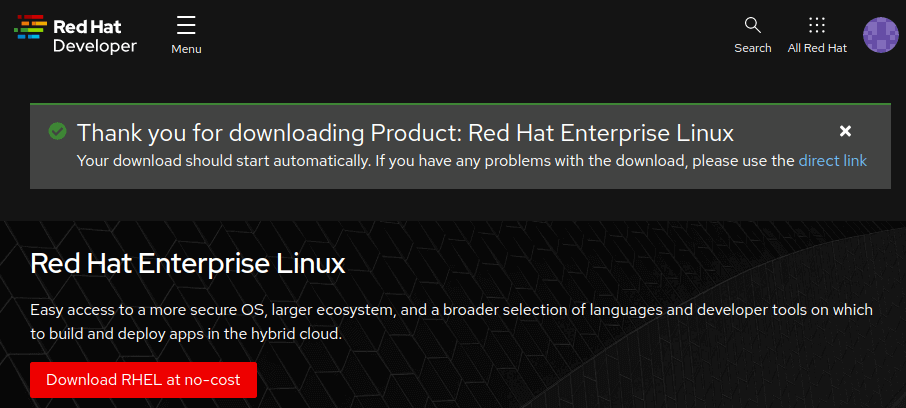
Once you have created a Red Hat account, you are all set to start downloading RHEL 9.3. To download Red Hat Enterprise Linux 9.3 at absolutely no cost, head over to the Red Hat Developer Portal and sign in using your account credentials.
Next, navigate to the RHEL 9.3 download page and click on the download button shown below.
Download RHEL 9 for Free
Shortly after, the download of the RHEL 9.3 ISO image will begin. You should see a confirmation message informing you that the download of the RHEL 9 is underway.
RHEL 9 Download
The download size of the ISO image is about 8GB. As such, ensure that you have a high-speed internet connection for a faster download.
With your bootable medium at hand, plug it into the PC that you wish to install RHEL 9.3 on and reboot the system. Remember to configure the BIOS to have the bootable medium first in the boot priority so that the system boots into the medium first.
Also, ensure that you have a high-speed internet connection that will come in handy during the installation.
Step 1: Start RHEL 9 Installation
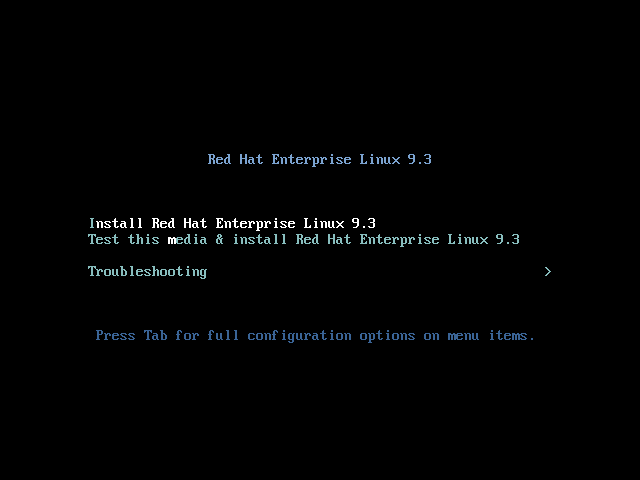
When the system reboots, you will get a black screen with the following options. To begin the installation, press ENTER on the first option ‘Install Red Hat Enterprise Linux 9.3’.
RHEL 9.3 Boot Menu
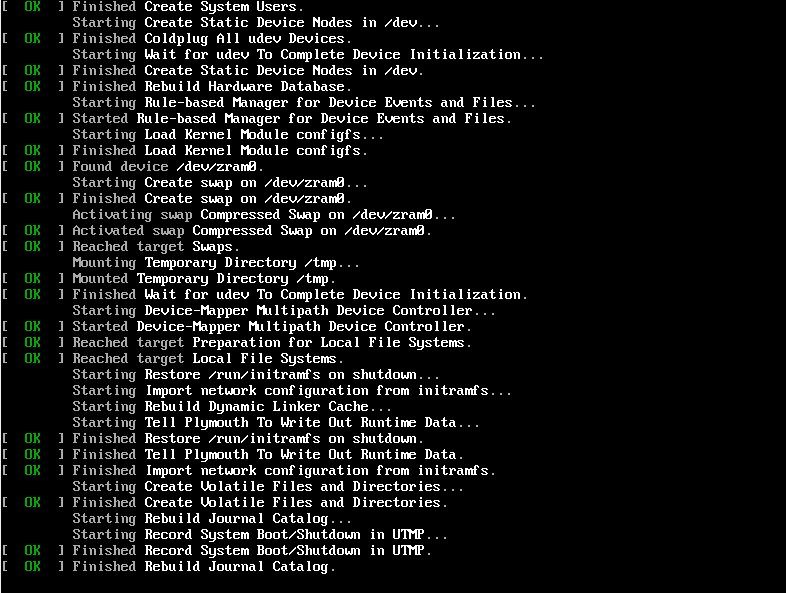
Shortly afterward, the following boot messages will be splashed on the screen. No action will be required so, just patiently wait as the installer gets ready to install RHEL.
RHEL 9 Booting
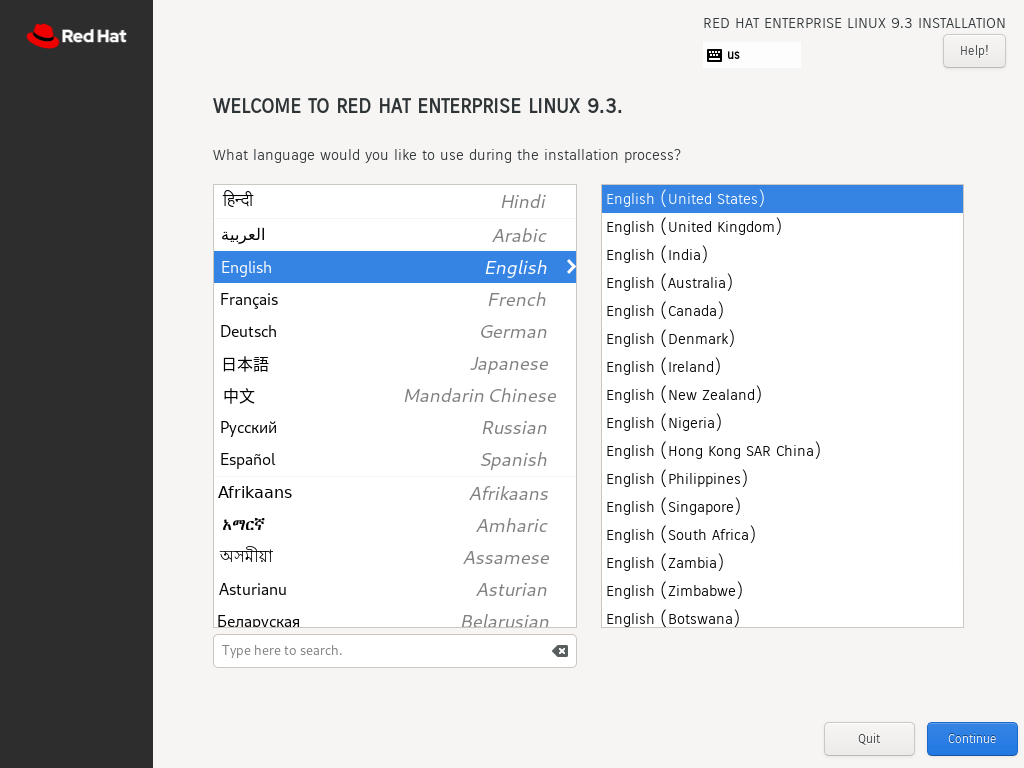
After a few seconds, the graphical wizard for installing Red Hat Enterprise Linux 9.3. In the first step, select your preferred language and click ‘Continue’.
RHEL 9 Language
Step 2: Configure Partitioning
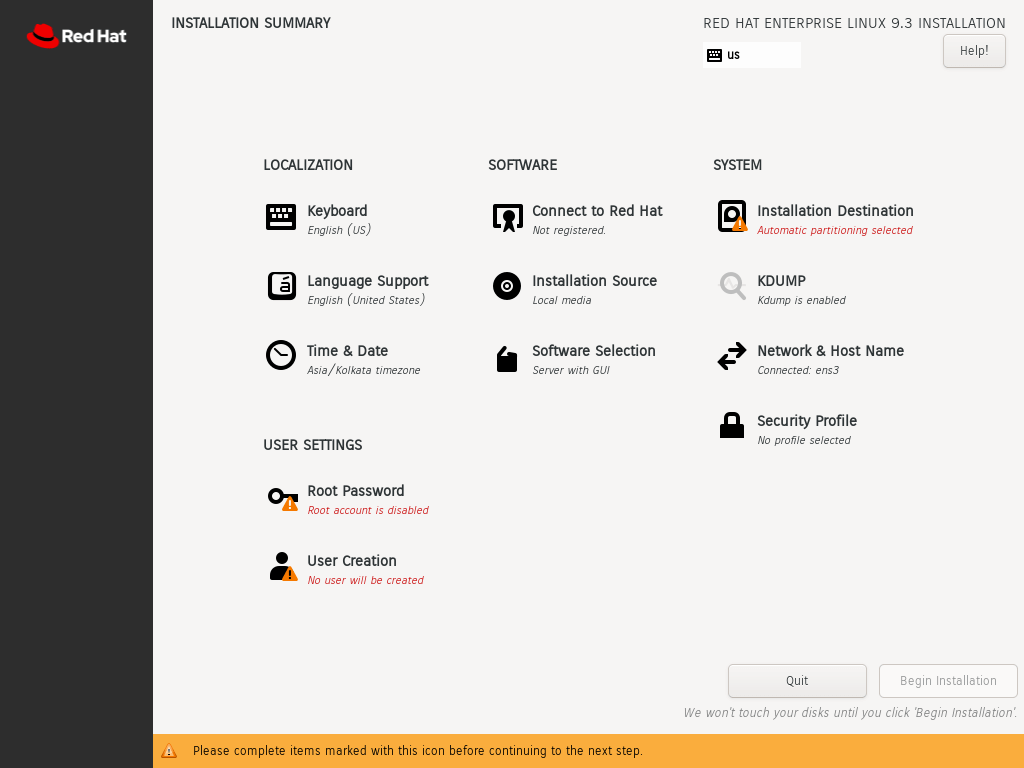
The next step presents you with an installation summary that is segmented into four sections:
LOCALIZATION
SOFTWARE
SYSTEM
USER SETTINGS
We will only focus on three items that are mandatory before proceeding with the installation – Installation Destination, Root Account, and Regular Account creation.
RHEL Installation Summary
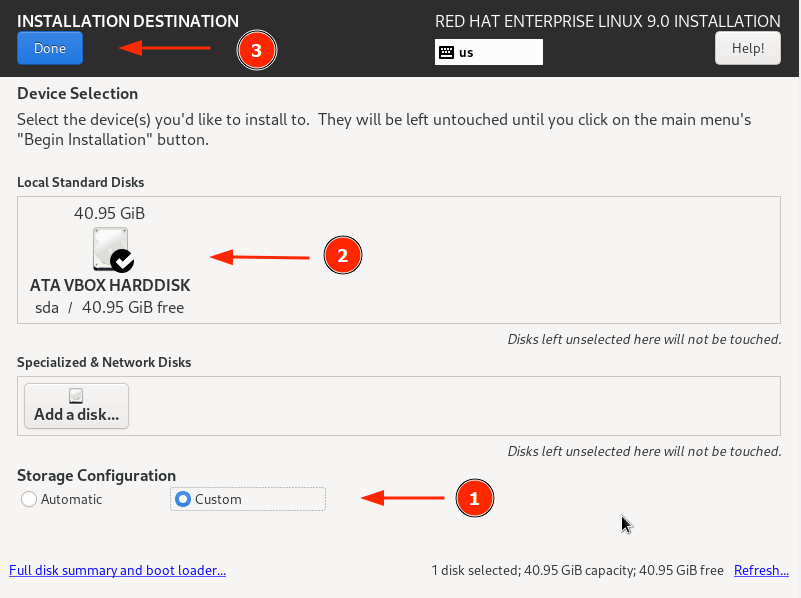
To set up partitioning, click on ‘Installation Destination’ under SYSTEM. On the ‘Installation Destination’ page, ensure that you have selected the ‘Automatic’ option if you wish the wizard to automatically partition the hard drive. Otherwise, select ‘Custom’ to manually create the partitions.
In addition, ensure that you have selected the hard disk on your PC. Then click ‘Done’.
RHEL 9 Install Drive
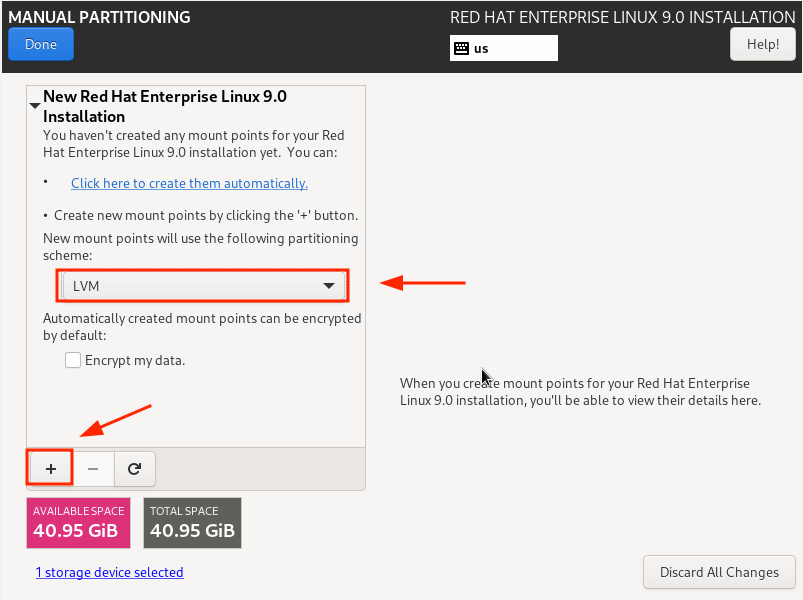
This takes you to the ‘Manual Partitioning’ window. By default, the LVM partitioning scheme is selected, which is just fine.
To start creating the partitions, click on the plus [ + ] sign.
RHEL 9 Manual Partitioning
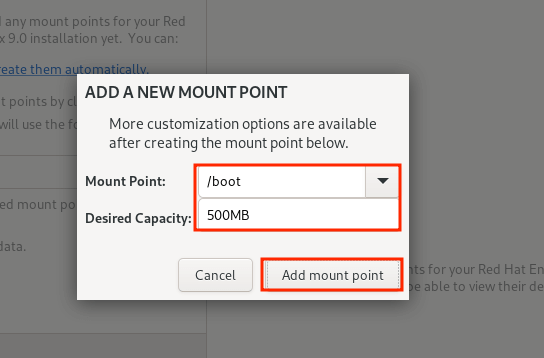
For demonstration purposes, we will create the following partitions./boot – 500MB /home – 20GB /root – 15GB swap – 8GB
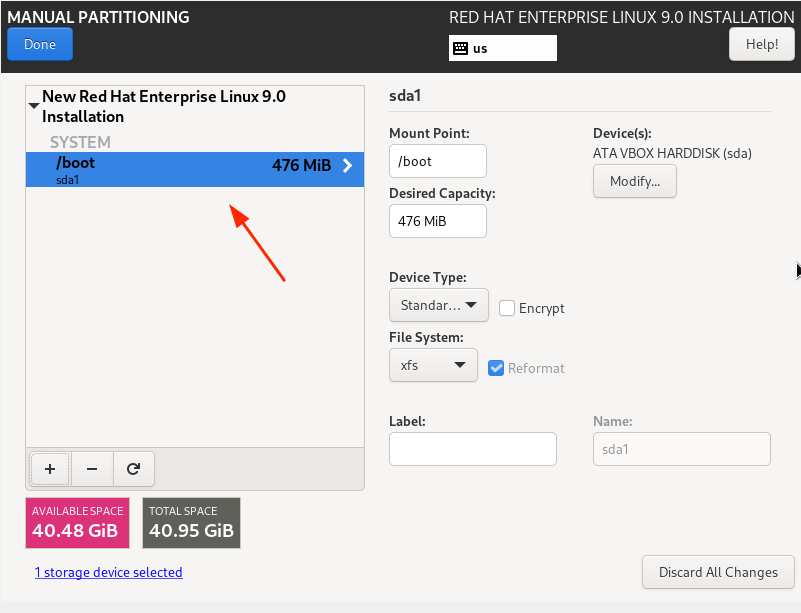
First, we will specify the boot option.
Create Boot Partition
From the partition table below, you can see that the boot partition has been created.
RHEL 9 Boot Partition
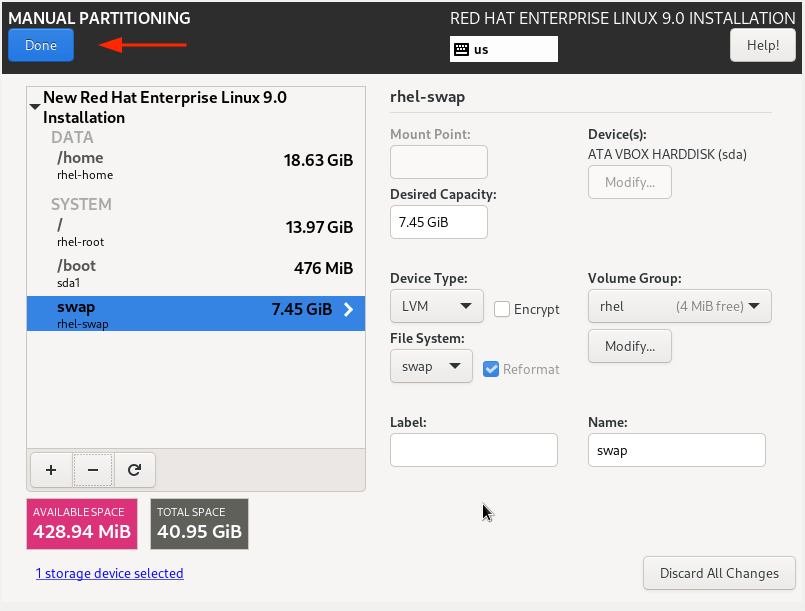
Repeat the same steps and create the /home, /root, and swap mount points.
Our complete partition table is shown below. To save the changes, click on ‘Done’.
RHEL 9 Partition Table
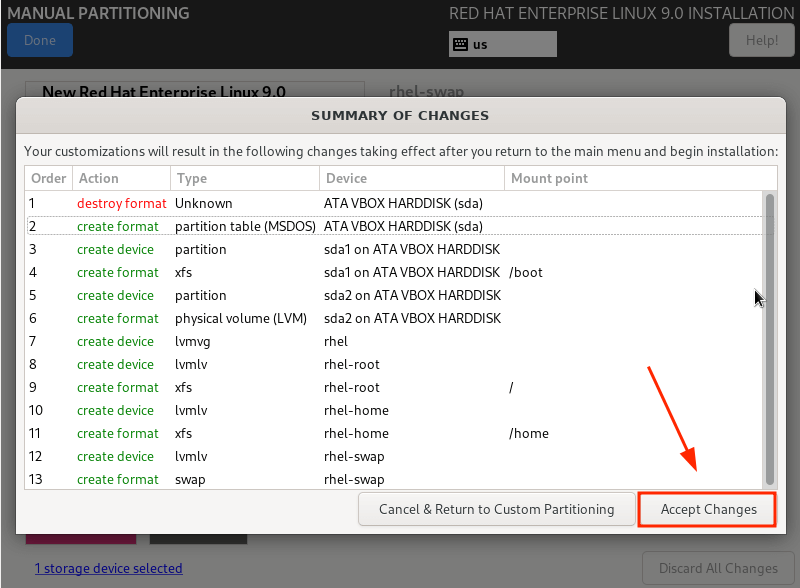
Then click ‘Accept Changes’ on the pop-up that appears.
RHEL 9 Disk Changes
Step 3: Configure User Settings
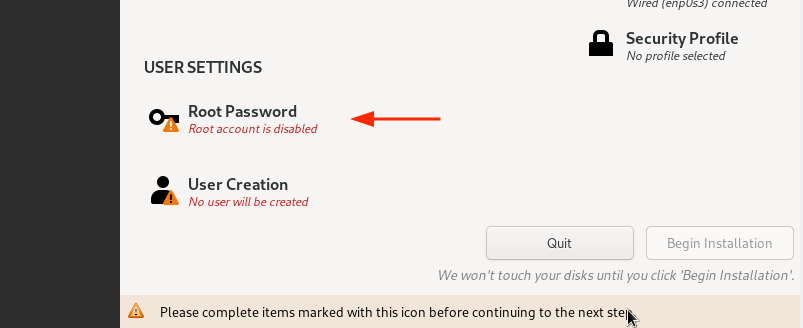
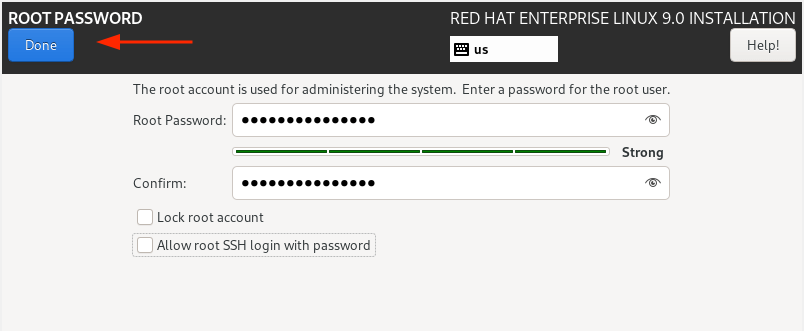
Next, we are going to configure user settings, starting off with the Root password. So, click on the ‘Root Password’ icon.
RHEL 9 Root Password
Unlock the Root account by providing a root password and confirming it. Then click ‘Done’.
Create Root Password
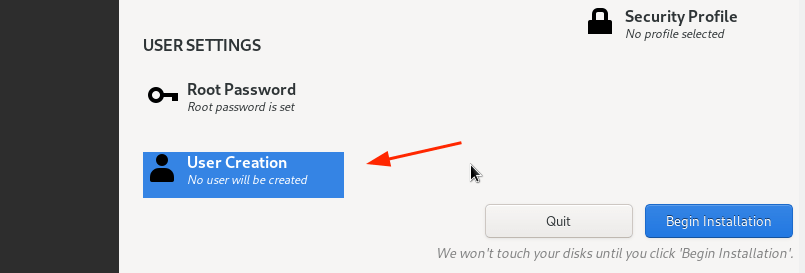
Next, create a regular login user by clicking on ‘User creation’.
RHEL 9 User Creation
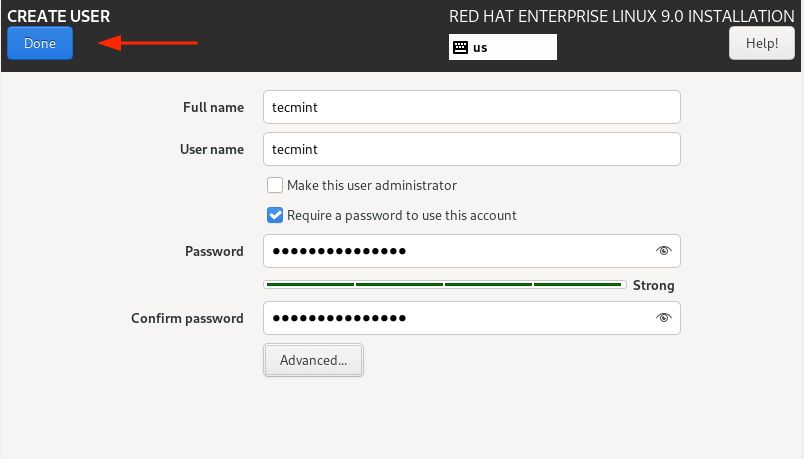
Provide the username and password details of the user and click ‘Done’.
Create User Account
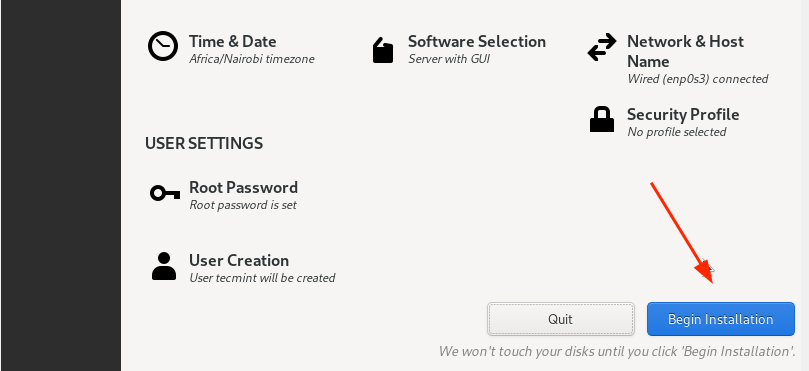
We are now all set to proceed with the installation. So, click on ‘Begin Installation’.
RHEL 9 Begin Installation
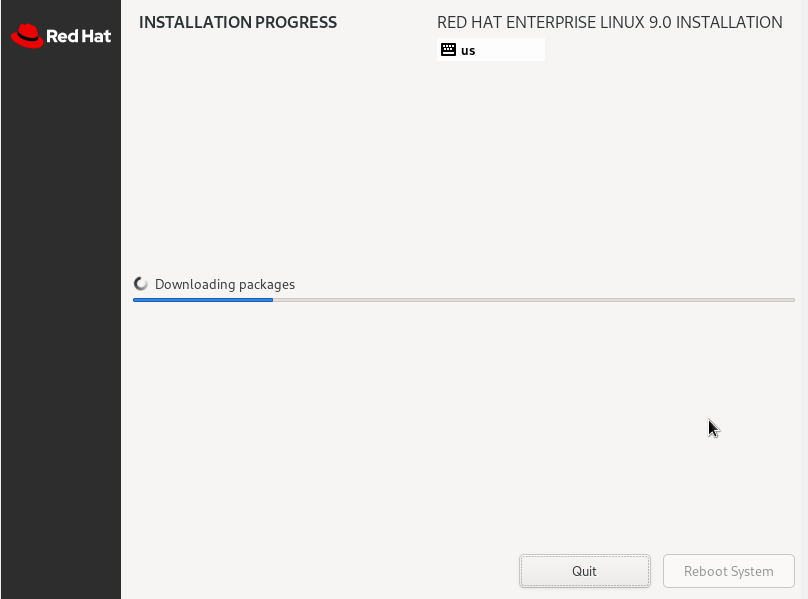
The Wizard will download all the required packages from the RedHat ISO image and save them to the hard drive. This is a process that takes quite a bit of time, and this is an ideal moment to take a break as the installation progresses.
RHEL 9 Installation
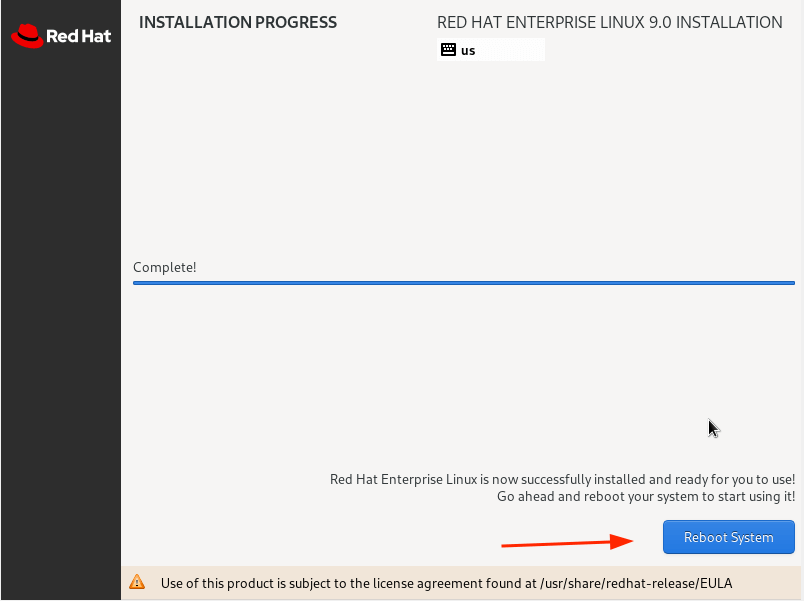
Once the installation is complete, you will be required to reboot your system so that you can log in to your fresh RHEL 9 installation.
So, click the ‘Reboot System’ button.
RHEL 9 Installation Finishes
Step 4: Boot Into Red Hat Enterprise Linux 9
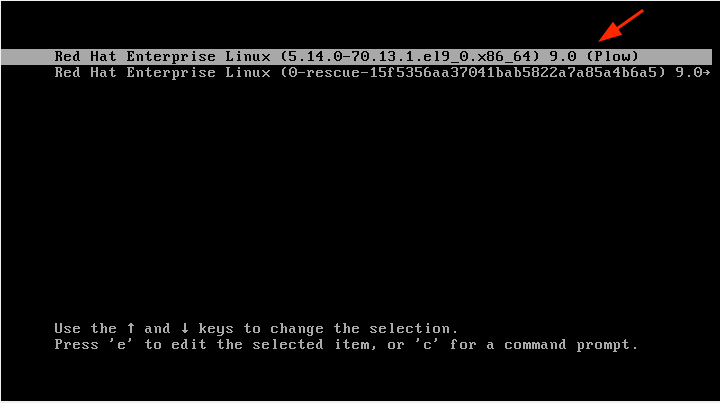
Once the system reboots, select the first entry on the GRUB menu that points to Red Hat Enterprise Linux 9.0.
RHEL 9 Boot Menu
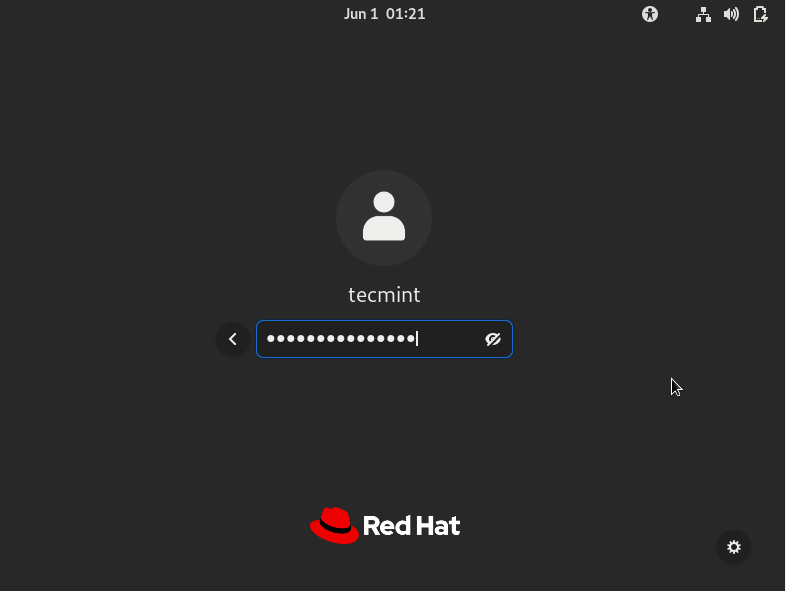
Shortly afterward, provide your password on the login screen and press ENTER.
RHEL 9 Login
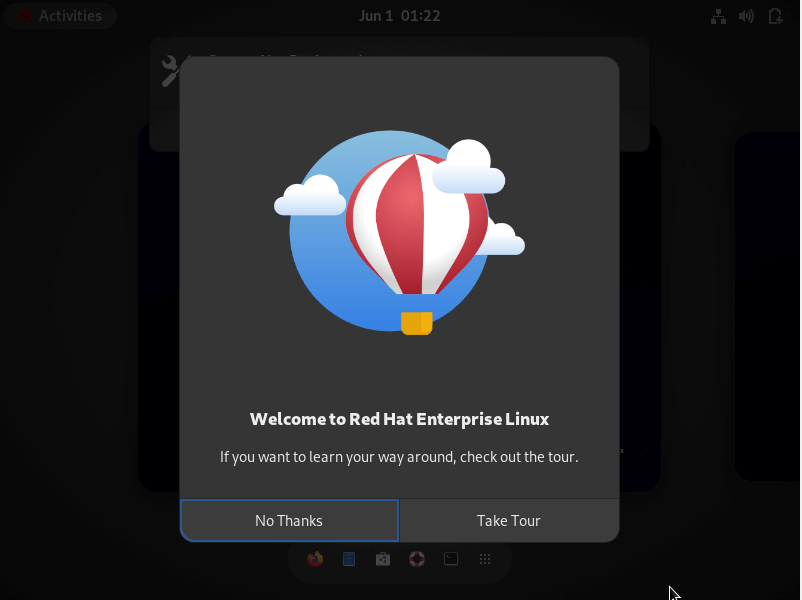
Once logged in, you can opt to take a tour of the freshly installed RHEL 9 or decline and go straight to the Desktop.
RHEL 9 Tour
Finally, you will see the GNOME 42 desktop environment which has received a facelift and looks quite elegant.
Introduction Ansible is a very powerful open-source IT automation tool. It is known as a configuration management tool. Ansible is written in Python language, so it requires Python to be available on the machine. We can use Ansible to automate software installation, software configuration, configuration management, etc.
To get a quick high-level understanding of Ansible, please review the article below.
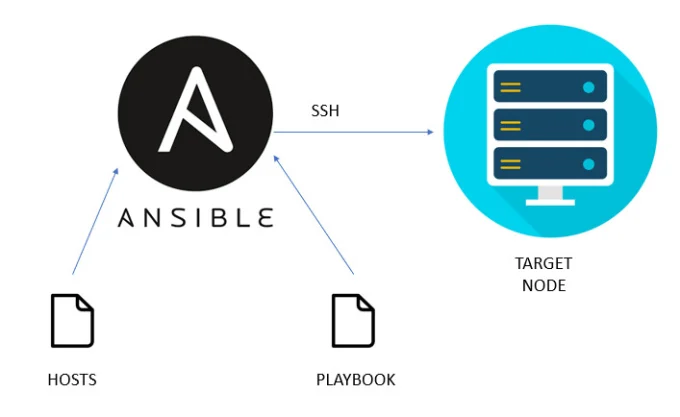
To use Ansible for your automation purpose you would need a machine where Ansible needs to be installed and this is called ansible-host or ansible-controller. And you would need other machines (remote or target machines) where Ansible will perform the tasks.
There are multiple ways to install Ansible in RHEL. Below are the two most used methods.
Ansible installation using RHEL package manager. Ansible installation using the pip module of Python. In this article, we will see how to install Ansible using the RHEL package manager in a step-by-step manner.
thinking
Prerequisite
Since we will install Ansible on RHEL (Red Hat Enterprise Linux), you must have an RHEL machine connected to the Red Hat subscription manager.
On the RHEL machine, you would need a user which has sudo privileges.
Steps/Commands to install Ansible
As of April 2023, the latest version of Ansible is 2.13.x (ansible core). We will be installing the same.
We will be using dnf to install Ansible. (dnf is the package management utility for RHEL, Fedora, and Centos).
Step 1: Update OS
# Run the below command to update the RHEL OS.
sudo dnf update -y
Step 2: Install Python
# Check whether Python is installed or not. RHEL 8 comes with python3. So, we don’t need to install Python.python3 -V
# If Python is not installed, then run the below command to install it.
sudo dnf install python3
Step 3: Enable repos for Ansible
# List the available repos that include ansible-core packages
sudo dnf list ansible-core
OR
sudo dnf info ansible-core
In the output of the above, we will see the repo name. We need to enable that repo.
# Enable the repo that includes the ansible-core package.